


Is your garage door refusing to close? Discover the most common reasons why your garage door won’t close, and learn practical solutions to fix it—whether you’re a handy homeowner or need help from a local Canadian expert.
Why Won’t My Garage Door Close? Understanding the Basics
When your garage door won’t close, it’s not just inconvenient—it can also be a safety and security concern. Whether the door stops halfway, reverses after touching the ground, or blinks without budging, there’s usually a clear cause and a practical fix. In this article, we’ll explore the most common reasons garage doors refuse to close and offer step-by-step solutions tailored for Canadian homeowners.
Garage doors are complex systems made up of mechanical, electrical, and safety components. A small misalignment or malfunction can stop the entire system from working properly. If your garage door won’t close all the way or behaves unpredictably, it’s important to diagnose the issue before it leads to bigger problems.
Let’s take a closer look at what might be causing your garage door to act up, and how you can fix it safely and efficiently.
1. Garage Door Sensor Alignment Issues
One of the most common reasons your garage door won’t close is a problem with the photo eye sensors. These sensors are installed on both sides of the garage door, near the floor. They send an invisible beam across the doorway to detect obstructions. If the beam is interrupted or the sensors are misaligned, the door won’t close as a safety precaution.
Garage Door Won’t Close Light Blinking
If the light on your garage door opener is blinking, this is often a sign that the sensors are either dirty, blocked, or misaligned. Most modern openers will blink 10 times to indicate a sensor issue. This built-in warning system is designed to prevent accidents, especially if a child or pet is in the path of the closing door.
How to Align Garage Door Sensors
Follow these steps to check and realign your garage door sensors:
- Make sure both sensors are facing each other directly and are at the same height.
- Clean the lenses with a soft cloth to remove dirt or cobwebs.
- Look for indicator lights on the sensors—if one or both are off or flashing, they may be misaligned.
- Loosen the mounting brackets, adjust the sensors until the lights are solid, then tighten the brackets back in place.
If your sensors still won’t align, you may need professional garage door repair services to diagnose and replace faulty components.
Garage Door Photo Eye Obstruction
Sometimes, the issue isn’t alignment but an object blocking the sensors. Check for:
- Leaves, dirt, or snow buildup
- Toys, tools, or storage bins near the sensor path
- Sunlight interference—try shading the sensors briefly to see if the door responds
Clearing the path and ensuring visibility between the sensors often solves the problem quickly.
2. Garage Door Closes Then Reverses
Another common issue is when the garage door starts to close, touches the floor, and then immediately reverses. This can be frustrating, especially during the winter months when you want your garage sealed tight against the cold.
Garage Door Opener Limit Adjustment
If your garage door closes then reverses, the limit settings on your opener might need adjusting. The limit settings tell the garage door how far to move when opening or closing. If the “down” limit is set incorrectly, the door may think it has hit an obstruction and reverse.
To adjust the limit:
- Locate the limit adjustment screws on your garage door opener (usually marked “up” and “down”).
- Turn the “down” screw slightly clockwise to extend the closing limit.
- Test the door by closing it fully. Repeat adjustments until the door closes properly without reversing.
Make small adjustments at a time. Over-adjusting can cause the door to slam shut, which may damage the hardware or flooring.
If you’re unsure about making these adjustments yourself, contact our certified technicians for safe and accurate service.
Garage Door Force Setting Adjustment
Force settings control how much pressure the opener uses to close the door. If these settings are too low, the opener may interpret normal resistance (like from the weatherstripping) as an obstruction and reverse the door.
To adjust the force settings:
- Find the force adjustment knobs or dials on the opener unit.
- Increase the closing force slightly and test the door.
- Continue adjusting until the door closes smoothly without reversing.
Be cautious—too much force can be dangerous. If the door still reverses or feels heavy, you may have a mechanical issue, such as worn springs or cables. In that case, it’s best to schedule garage door spring repair or garage door cable repair right away.
3. Garage Door Won’t Close with Remote
If your garage door works fine with the wall switch but won’t close using the remote, the issue could be related to the remote control, signal interference, or the opener’s settings.
Check the Remote Batteries and Range
Start with the basics:
- Replace the batteries in the remote control.
- Test the remote from different distances and angles.
- Ensure there are no radio-frequency devices nearby that could be interfering with the signal (e.g., LED lights, routers, or wireless cameras).
Reprogram the Remote
If the batteries are fine but the remote still doesn’t work, try reprogramming it:
- Locate the “learn” button on your garage door opener unit.
- Press and hold the button until the indicator light comes on (usually about 5 seconds).
- Press the button on your remote. The light should blink or turn off, indicating the remote is programmed.
If reprogramming doesn’t help, your opener’s receiver may be faulty. In that case, garage door opener replacement might be the most reliable solution.
Wall Switch Works, Remote Doesn’t
If only the remote is affected but the wall switch operates the door, it’s likely a remote-specific issue. However, if neither control works, the opener may have lost power or needs servicing. If you’re unsure, emergency garage door repair services are available across Canada to help you restore full functionality.
4. Mechanical Problems Preventing Closure
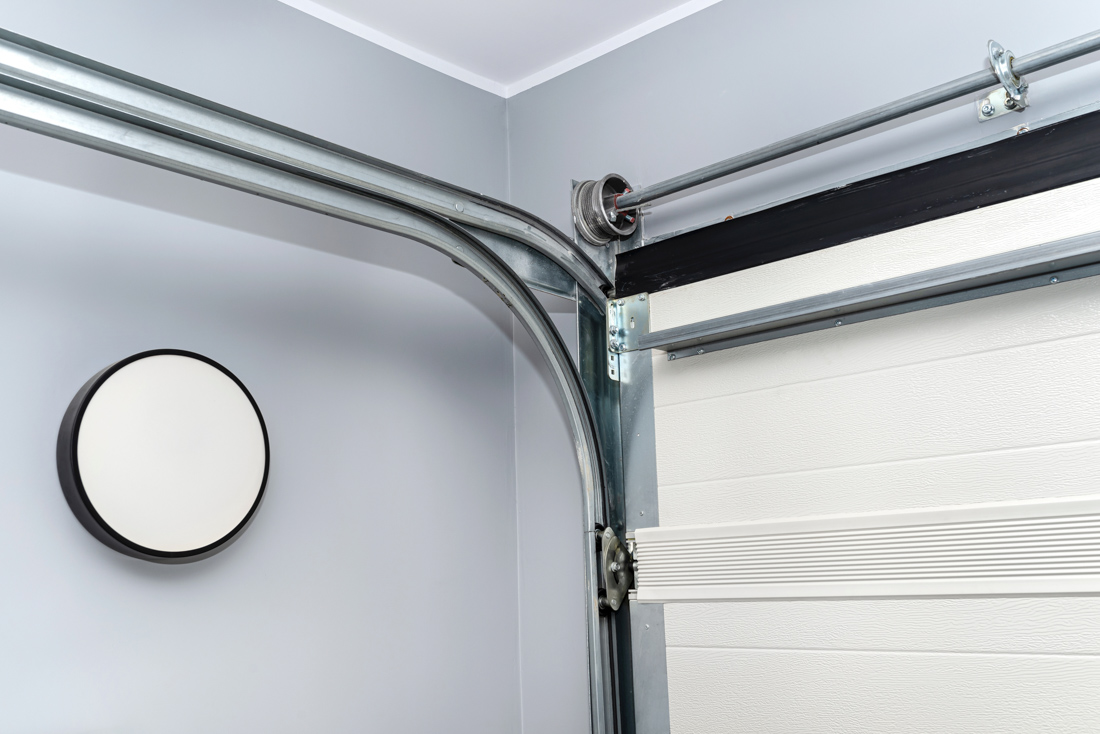
Sometimes, the issue isn’t electrical or sensor-related at all. Mechanical failures like broken springs, bent tracks, or damaged panels can prevent your garage door from closing properly or safely. These problems often require a professional eye.
Check for Broken Springs or Cables
Garage door springs and cables balance the weight of the door to allow smooth operation. If a spring snaps or cable loosens, the door may become too heavy for the opener to close it.
Signs of broken or loose components include:
- A loud bang from the garage
- The door looking crooked or hanging unevenly
- Visible gaps in the spring
These are dangerous components to handle without training. If you suspect a spring or cable issue, book garage door cable repair or spring repair services right away.
Inspect the Tracks and Rollers
Misaligned or damaged tracks can physically block the door from closing. Look for:
- Bends or dents in the track
- Rollers that have popped out or are stuck
- Debris or rust buildup in the tracks
Cleaning the tracks and lubricating the rollers might help. However, if the tracks are severely bent, it may be time for panel replacement or a full garage door replacement, especially if the door is older or has suffered impact damage.
Garage Door Maintenance Can Prevent These Issues
Regular garage door maintenance can catch mechanical problems before they become major repairs. Simple tasks like tightening bolts, lubricating moving parts, and checking alignment can keep your door running smoothly year-round.
Canadian winters can be especially harsh on garage door systems, so it’s a good idea to schedule seasonal check-ups to ensure everything is working as it should.
Continue reading to explore more advanced troubleshooting tips, including opener programming, safety features, and when it’s time to call in the pros.
5. Safety Features That Stop Your Garage Door from Closing
Modern garage doors come equipped with built-in safety features designed to prevent accidents and damage. While these systems are essential, they can sometimes be the reason your garage door won’t close. Understanding how these safety features work can help you troubleshoot issues more effectively and know when to call in the pros.
Auto-Reverse Mechanism
The auto-reverse feature is a standard safety setting in most garage door openers. If the door hits an object while closing, it will automatically reverse to prevent injury or damage. This feature is especially important for families with children and pets.
If your garage door closes then reverses, and there’s no visible obstruction, the sensors or the force setting might be too sensitive. Test the system by placing a small object like a roll of paper towels under the door. If the door doesn’t reverse upon contact, the safety mechanism may be faulty and should be inspected by a professional garage door repair technician.
Garage Door Opener Lock Feature
Some garage door openers include a “lock” or “vacation” mode, which disables remote control access. If your garage door won’t close with the remote but works with the wall switch, check if the lock function has been accidentally activated.
To deactivate the lock:
- Locate the “lock” button on the wall-mounted control panel.
- Press and hold the button for a few seconds until the indicator light turns off.
- Test the remote again to see if the issue is resolved.
If your system doesn’t have a lock button, refer to your opener’s manual or contact our certified technicians for support.
Manual Release Handle Pulled
Every garage door opener has a red emergency release cord. If this handle is pulled, it disconnects the door from the opener, allowing manual operation. This is useful during power outages but can cause confusion if pulled accidentally.
If your garage door won’t close and the opener runs without moving the door, check the trolley system near the opener rail:
- If the door is disconnected, pull the cord toward the door to re-engage the opener.
- Manually lift the door until it clicks back into place on the trolley.
If the door still won’t re-engage, it may need adjustment or repair. Book an emergency garage door repair appointment for quick, professional help anywhere in Canada.
6. Environmental and Seasonal Factors
In Canada, fluctuating weather conditions can play a big role in garage door performance. From heavy snow to freezing temperatures and high humidity, your garage door system needs to adapt to the environment. Let’s explore how seasonal shifts could be the reason your garage door won’t close all the way.
Cold Weather Effects
During winter, the metal components of your garage door can contract, making it harder for the opener to function properly. Lubricants may also thicken in the cold, causing friction in the rollers and tracks.
Here’s how to prevent cold-related issues:
- Use a silicone-based lubricant on all moving parts.
- Check the weatherstripping for brittleness or cracks. Replace it if necessary with our garage door weatherstripping services.
- Inspect the garage door opener’s force settings and increase slightly if needed.
Snow and Ice Obstruction
Snow buildup under the garage door can trick the sensors or interfere with the closing path. Ice may also form along the tracks or freeze the door to the ground.
To fix this:
- Clear all snow and ice from the threshold and sensor area.
- Use a de-icer or warm water to melt ice under the door (avoid hot water, which can crack concrete in extreme cold).
- Apply a thin layer of salt or sand to prevent refreezing.
If your garage door still struggles to move, it could be time for a full seasonal maintenance check-up.
Humidity and Swelling
In the warmer months, humidity can cause wooden doors to swell, making them stick or catch on the frame. This can prevent the door from closing fully or create extra resistance that triggers the auto-reverse function.
Solutions include:
- Sanding down swollen areas if the door is wooden.
- Installing a dehumidifier in your garage.
- Upgrading to a low-maintenance material like steel or aluminum with our garage door installation services.
7. When to Replace Your Garage Door System
If you’ve tried troubleshooting and your garage door still won’t close, it may be time to consider replacement. Older systems may lack the safety features and efficiency of modern models. Plus, worn-out components can become costly and unsafe over time.
Signs You Need a New Garage Door or Opener
- Your door is over 15-20 years old.
- Frequent repairs aren’t solving the problem.
- The door is visibly warped, cracked, or rusted.
- The opener is noisy, slow, or lacks modern features like Wi-Fi connectivity.
Upgrading your system can improve safety, energy efficiency, and curb appeal. If you’re unsure where to start, our team offers expert garage door replacement services across Canada, tailored to your budget and style preferences.
Custom Garage Door Solutions
Looking to give your garage a fresh look without a full replacement? Our garage door wrapping service can transform the appearance of your existing door with durable, weather-resistant vinyl wraps. It’s a cost-effective way to boost your home’s curb appeal.
Professional Installation Matters
Whether you’re installing a new garage door or replacing your opener, professional installation ensures everything works as it should. Improper installation can lead to safety risks, void warranties, and cause long-term damage.
If you need expert installation, trust the team at Priority Garage Doors for quality service backed by years of experience and local knowledge.
8. Preventative Maintenance Tips for Homeowners
Preventing problems is always better than fixing them. Regular maintenance can extend the life of your garage door system and keep it closing smoothly year-round. Here are some simple maintenance tasks every Canadian homeowner can do:
Monthly Visual Inspections
Once a month, take a few minutes to inspect:
- Springs and cables for signs of wear or fraying
- Tracks for dirt, rust, or damage
- Weatherstripping for gaps or hardening
- Sensor alignment and lens cleanliness
If you spot anything unusual, don’t wait—schedule professional garage door repair services before it becomes a bigger issue.
Lubricate Moving Parts
Apply a silicone-based lubricant to:
- Hinges
- Rollers
- Springs
- Tracks (lightly)
Do this at least twice a year, preferably in spring and fall. Avoid using grease or oil-based products, which can attract dust and gum up mechanical parts.
Test the Auto-Reverse Feature
Place an object like a wooden board under the door and try closing it. The door should reverse immediately upon contact. If it doesn’t, adjust the force settings or call a technician.
Schedule Annual Professional Maintenance
Even if everything seems fine, it’s a good idea to book a yearly garage door maintenance appointment. Our technicians can spot early signs of wear, fine-tune your opener settings, and ensure your system is safe and compliant with Canadian standards.
Conclusion: Get Your Garage Door Closing Correctly Again
When your garage door won’t close, it can be more than just a hassle—it can compromise your home’s safety, security, and energy efficiency. Whether it’s a simple sensor misalignment, a faulty remote, or a more serious mechanical issue, understanding the root cause is the first step toward a reliable fix.
At Priority Garage Doors, we’re proud to serve homeowners across Canada with expert advice, quality workmanship, and fast response times. From spring repairs to opener upgrades, new installations to emergency service calls, we’re here to help you keep your garage door running smoothly in every season.
If your garage door still won’t close or you’re unsure where to start, contact our team today to book a service call or ask a question. We proudly serve communities across the country—find your nearest location here.
Don’t wait for the problem to get worse. Trust Priority Garage Doors for fast, reliable service and expert solutions that keep your home safe and secure.




