


Canadian weather can be unpredictable, and it can take a toll on your garage door system. In this article, we explore how different weather conditions affect garage door performance, common seasonal issues, and practical solutions to keep your garage door running smoothly year-round.
Understanding How Weather Affects Garage Door Performance
Living in Canada means dealing with a wide range of weather conditions—from freezing winters to hot, humid summers. These changes in temperature and climate can significantly impact your garage door’s performance, longevity, and safety. Whether you’re in Ontario, Alberta, or British Columbia, knowing how weather affects garage door performance is key to preventing costly repairs and ensuring your garage door operates reliably all year long.
Why Weather Matters for Your Garage Door
Garage doors are exposed to the elements every day. From rain and snow to heat and wind, these conditions can wear down the mechanical and structural components of your garage door. Materials like metal, rubber, and plastic expand and contract with temperature shifts, which can lead to warping, rust, and misalignment over time.
Understanding these effects helps you take preventive action—whether it’s seasonal maintenance, replacing worn parts, or applying the right lubricants. If you’re unsure where to start, learn more about our maintenance services to keep your system in top shape.
Garage Door Problems in Cold Weather
Canadian winters can be brutal, and your garage door feels it too. Cold temperatures, ice, and snow can cause a variety of issues, from sluggish movement to complete system failure.
Garage Door Not Opening in Cold Weather
One of the most common issues homeowners face is the garage door not opening in cold weather. This can be caused by thickened grease, frozen components, or weakened springs. Metal contracts in lower temperatures, which increases tension on moving parts and can even cause them to break under pressure.
How to Fix It
- Use a garage door lubricant for winter to keep moving parts from freezing up. Look for silicone-based lubricants that won’t thicken in cold weather.
- Keep the area around the door clear of snow and debris to prevent jams.
- If your door still won’t open, contact our certified technicians for emergency garage door repair before it gets worse.
Garage Door Freezing to Floor Fix
Another frustrating winter issue is when your garage door freezes shut. This happens when water or snow collects at the bottom seal and then freezes overnight.
Prevention Tips
- Apply a de-icing product or rock salt along the base of the door before snowstorms.
- Install or replace worn weather stripping to create a tighter seal. Garage door weather stripping replacement is a simple yet effective solution.
- Use a hairdryer or heat gun to gently melt the ice if the door is stuck.
Garage Door Slows Down in Winter
If your garage door is moving slower than usual, the cold could be affecting the motor or tracks. Cold weather can cause the grease in your tracks to thicken, making it harder for the door to glide smoothly.
How to Improve Performance
- Switch to a winter-grade lubricant for your tracks and rollers.
- Check the garage door opener settings. Many models allow you to adjust the force and speed.
- Schedule a garage door opener inspection to ensure the motor is working correctly in the cold.
Garage Door Springs in Winter
Cold weather can make garage door springs more brittle and prone to snapping. If your door suddenly won’t lift or slams shut, you might have a broken spring.
This is a serious safety issue and should be addressed immediately. Professional garage door spring repair services are strongly recommended to avoid injury or further damage.
Summer Heat and Its Impact on Garage Doors
While winter causes contraction, summer brings expansion. Hot temperatures and direct sunlight can also interfere with electronic components and structural integrity.
Garage Door Expands in Summer Heat
Materials like steel and wood expand in the heat, which can cause your garage door to become misaligned. This may result in the door sticking, squeaking, or not closing properly.
How to Manage Expansion
- Inspect your door tracks for alignment issues.
- Lubricate hinges and rollers to reduce friction.
- If your door is warping, it may be time for a garage door replacement.
Sunlight Interfering with Garage Door Sensors
Direct sunlight can interfere with your garage door safety sensors, especially in the summer. If your door won’t close and the sensors are clean and aligned, the sun may be to blame.
Solutions to Try
- Install sensor shields or hoods to block direct sunlight.
- Angle the sensors slightly downward to reduce exposure.
- Consider upgrading to advanced sensors that are less sensitive to light interference. Explore our garage door opener services for more information.
Humidity and Moisture Buildup
High humidity can lead to moisture buildup inside your garage, which can damage electronics, warp wood doors, and cause mould. Moisture also contributes to rust and corrosion on metal parts.
To prevent rust and corrosion on your garage door, make sure your door is properly sealed and ventilated. Regular cleaning and applying protective coatings can also extend the life of the metal components.
Protective Measures and Seasonal Maintenance
To keep your garage door running efficiently in every season, regular maintenance is essential. Weather-related issues can be prevented or minimized with proper care and timely repairs.
Garage Door Weather Stripping Replacement
Weather stripping helps insulate your garage and keeps out drafts, water, and pests. Over time, it can crack or peel due to extreme temperatures.
Inspect your weather stripping at least twice a year and replace it if it’s damaged. Our garage door weather stripping replacement service ensures a proper seal that stands up to Canadian weather.
Lubrication and Cleaning
Using the best garage door lubricant for winter is crucial. Silicone-based sprays are ideal because they don’t freeze or gum up in the cold. In summer, regular cleaning removes debris that can interfere with moving parts.
Apply lubricant to the following components:
- Hinges
- Rollers
- Tracks
- Springs (lightly)
- Locks and latches
Inspecting and Replacing Worn Components
Cold and heat can weaken parts like cables, springs, and panels. If you notice fraying, rust, or cracks, it’s time for a replacement. Garage door cable repair and panel replacement services can restore your door’s function and appearance.
Professional Garage Door Maintenance
While some tasks are DIY-friendly, others require professional attention. A certified technician can identify hidden issues before they lead to failure. Learn more about our maintenance services to schedule a seasonal tune-up tailored to your local climate.
Consider Garage Door Wrapping
Want to protect your door from the elements and give it a fresh look? Garage door wrapping adds a layer of protection against UV rays, moisture, and temperature changes, while also boosting curb appeal.
When to Call the Experts
Sometimes, weather-related issues go beyond what you can fix on your own. If your garage door is stuck, making strange noises, or showing signs of wear, it’s best to call in the pros.
Professional garage door repair services can save you time, money, and hassle. Our team at Priority Garage Doors serves homeowners across Canada, offering expert repairs, installations, and emergency support.
We also offer expert installation and replacement services tailored to your region and climate needs. Contact our certified technicians today for a free quote or to book a service call.
Want to know if we serve your area? Check our locations page for service availability near you.
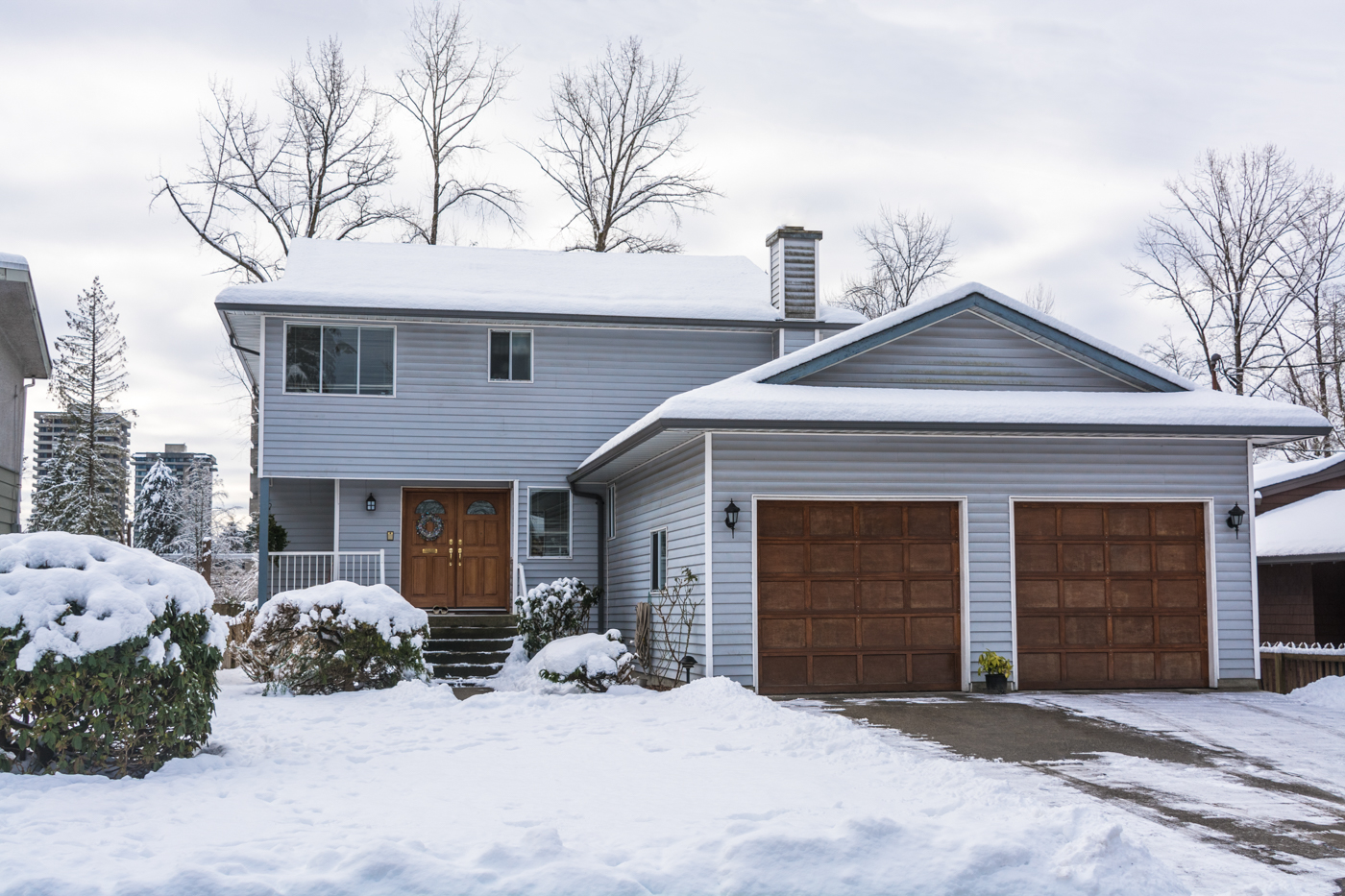
How to Prepare Your Garage Door for Seasonal Changes
Canadian homeowners know that weather can shift dramatically between seasons—sometimes even in a single day. Preparing your garage door for these changes is one of the best things you can do to avoid unexpected issues, improve energy efficiency, and extend the life of your system. Whether it’s snow in the Prairies or coastal humidity in British Columbia, here’s how to get your garage door ready for whatever Mother Nature throws at it.
Spring Preparation Tips
As the snow melts and temperatures start to rise, it’s the perfect time to assess any winter damage and prepare for the warmer months ahead.
Inspect for Winter Wear and Tear
- Check for rust on metal components caused by road salt and moisture. To prevent rust and corrosion on your garage door, clean all metal parts with a mild detergent and apply a protective spray.
- Look for cracks or gaps in your weather stripping. If damaged, book a garage door weather stripping replacement to maintain an effective seal.
- Inspect cables and springs for signs of fraying or weakening. If anything looks off, garage door cable repair may be necessary before the damage worsens.
Clean and Lubricate Moving Parts
After a harsh winter, your door’s components may be dried out or clogged with grime. Use the best garage door lubricant for winter—a silicone-based product that works year-round—to ensure smooth operation. Lubricate hinges, rollers, and tracks to prevent squeaking and reduce wear.
Summer Preparation Tips
Summer brings heat, humidity, and sunlight—all of which can affect garage door performance. Preparing your door in early summer can prevent expansion-related issues and sensor malfunctions.
Check for Warping and Expansion
- Wooden doors are especially vulnerable to expansion. If your garage door expands in summer heat, it may become misaligned or difficult to close.
- Inspect the frame and tracks for signs of warping or gaps. If alignment issues persist, consider a garage door replacement for better long-term performance.
Protect Your Sensors from Sunlight
As mentioned earlier, sunlight interfering with garage door sensors can stop your door from closing. Installing small shades or repositioning the sensors can help minimize this issue. If problems persist, garage door opener upgrades may offer better sensor technology suited to bright environments.
Fall Preparation Tips
Fall is a great time to prepare your garage for the cold months ahead. Addressing potential issues now can save you from costly repairs during winter.
Seal and Insulate
- Replace cracked or brittle weather stripping to keep out cold air, snow, and critters.
- Inspect the door for insulation gaps or drafts. Adding insulation or upgrading to an insulated door improves energy efficiency and keeps your garage warmer.
- Consider garage door wrapping as a stylish and protective solution against upcoming snow and ice.
Test the Opener and Safety Features
Make sure your garage door opener is functioning correctly before winter hits. Test the auto-reverse mechanism and battery backup if your opener has one. If your system is older, a garage door opener replacement might be a smart investment before the season changes.
Winter Preparation Tips
Winter is the toughest season for garage doors in Canada. Cold temperatures, ice, and snow create a perfect storm for garage door problems in cold weather.
Prevent Freezing and Lockups
- Apply de-icing products to the base of the door to avoid it freezing shut. If your garage door freezes to the floor, gently melt the ice with a heat gun or hairdryer.
- Use winter-rated lubricants on all moving parts. Silicone lubricants are ideal as they don’t thicken in cold weather.
- Keep the garage door area clear of snow and ice buildup. This reduces stress on the opener and prevents mechanical failure.
Inspect Springs and Cables
Extreme cold can make metal brittle, increasing the chance of breaks. If you notice your garage door not opening in cold or hear a loud snapping sound, you may have a broken spring. For safety, never attempt to fix this yourself—call our spring repair experts right away.
Regional Climate Considerations in Canada
Canada’s vast geography means that weather challenges vary by province. Whether you live in the humid Maritimes or the dry Prairies, understanding your local climate can help you better care for your garage door.
Garage Door Care in Ontario and Quebec
These provinces experience humid summers and cold, snowy winters. Moisture control is crucial to prevent rust and swelling.
- Keep your garage well-ventilated to reduce condensation.
- Inspect for signs of mould or water damage regularly.
- Use weather stripping and wraps to protect against salt and slush.
Garage Door Maintenance in the Prairies
Alberta, Saskatchewan, and Manitoba often see extreme cold and dry air. These conditions can cause metal components to contract and become brittle.
- Use winter-specific lubricants to keep moving parts operating smoothly.
- Check cables and springs frequently for signs of wear.
- If your garage door slows down in winter, schedule a tune-up with our technicians to avoid mid-winter breakdowns.
Garage Door Protection in British Columbia
Coastal regions like B.C. face heavy rainfall, high humidity, and mild winters. Moisture is the biggest concern in this region.
- Ensure your garage is sealed properly to keep out rainwater.
- Apply anti-corrosion treatments to metal parts.
- Consider panel replacement if water damage has caused swelling or warping.
Garage Door Care in the Maritimes
Nova Scotia, New Brunswick, and Newfoundland experience a mix of snow, wind, and ocean humidity. Salt air can speed up corrosion and wear.
- Wash your garage door regularly to remove salt residue.
- Inspect hinges, rollers, and tracks for rust and lubricate as needed.
- Replace weather stripping more frequently in coastal areas due to faster deterioration.
Signs Your Garage Door Is Weather-Compromised
Even with regular maintenance, weather can still take its toll. Knowing the signs of a compromised garage door can help you take action before a complete failure occurs.
Common Red Flags
- Unusual noises like grinding, squeaking, or popping
- Slow or jerky movement, especially in cold weather
- Door not opening or closing fully, or reversing unexpectedly
- Visible rust, cracks, or warping on panels or hardware
- Water leaks or drafts inside the garage
If you notice any of these issues, it may be time for professional garage door repair services. Delaying repairs can make the problem worse—and more expensive to fix.
When a Replacement Makes More Sense
Sometimes, repairs aren’t enough. If your door has suffered repeated weather damage or is over 15 years old, a garage door replacement could be the smarter choice. Newer models offer better insulation, weather resistance, and safety features.
Conclusion: Protect Your Garage Door Year-Round
From freezing winters to scorching summers, Canadian weather presents unique challenges for garage doors. Understanding how weather affects garage door performance helps you stay ahead of problems and maintain your home’s security, comfort, and energy efficiency.
Whether it’s preventing your garage door from freezing to the floor, managing garage door problems in cold weather, or dealing with sunlight interfering with garage door sensors, the key is proactive maintenance and timely repairs.
At Priority Garage Doors, we’re here to help you every step of the way. Our team provides expert advice, seasonal maintenance, and emergency repairs across Canada. From new installations to spring repairs and everything in between, we have the tools and experience to keep your garage door in peak condition.
Contact our certified technicians today to book a service, request a free quote, or get expert help with weather-related garage door issues. Not sure if we serve your area? Check our locations page to find service availability near you.
Don’t wait for the next storm to take action—protect your garage door now and enjoy peace of mind all year long with Priority Garage Doors by your side.




